When Anxious Meets Avoidant: How Couples Can Break the Chase-Run Cycle (Without Losing Their Minds or Each Other)
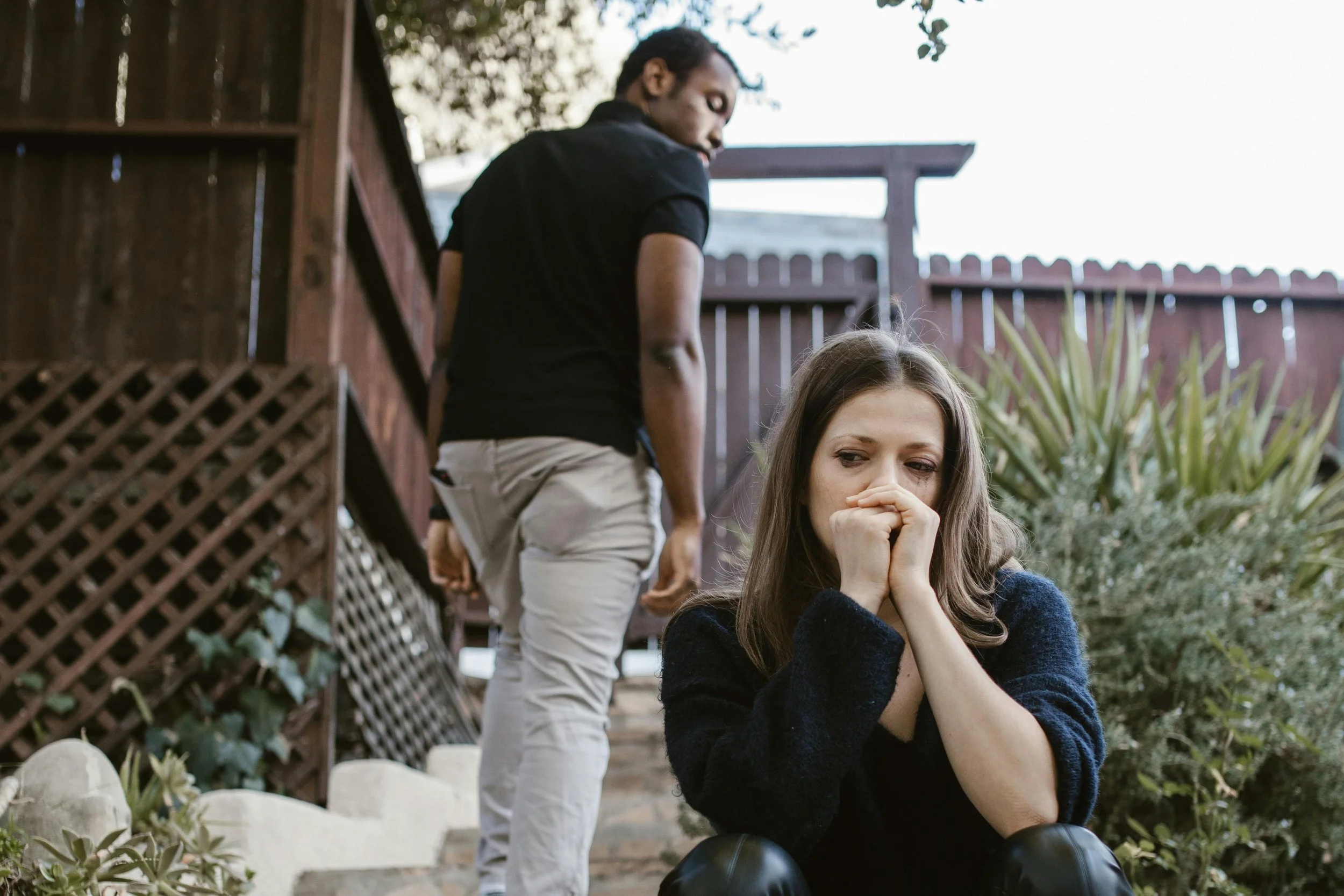
If you’ve ever felt like one of you is saying, “Come closer, I need you!” while the other is saying, “Please step back, I can’t breathe,” congratulations, you may be living in the emotionally chaotic world of an anxious-avoidant dynamic.
Being a couples therapist in Tampa, FL, I often see this pattern in couples. It is a complex pattern, but that does not mean your relationship is doomed. With awareness, openness, and some Gottman Method magic, this dynamic can soften, stabilize, and actually make your relationship stronger.
The Anxious-Avoidant Cycle: When One Reaches and One Retreats
Here’s what typically happens:
Anxious Partner: The Chaser
Craves emotional closeness
Fears abandonment
Interprets silence as rejection
May pursue reassurance through texts, questions, or “Are you mad at me?” check-ins
Avoidant Partner: The Runner
Values independence deeply
Fears losing themselves in the relationship
Withdraws when stressed
May shut down to regain emotional space
The Trigger
When the anxious partner moves toward, the avoidant partner moves away. And when the avoidant partner moves away, the anxious partner moves even closer.
Cue the theme music from the classic Road Runner cartoon, but with fewer anvils and more emotional spiraling.
Common Challenges
Misinterpretation:
Anxious partner sees space → abandonment.
Avoidant partner sees closeness → engulfment.
Conflict:
“You never want to connect!” vs. “You’re too much!”
Nobody wins. Everyone gets frustrated.
Lack of Resolution:
One shuts down, the other escalates.
The issue gets swept under the emotional rug until next Tuesday.
How Gottman Method Helps (Yes, There Is Hope!)
The Gottman Method isn’t just about preventing fights; it’s about creating connection, understanding, and safety. Here’s how it supports this dynamic:
1. Awareness & Shared Meaning
Understanding your attachment style helps both partners stop taking each other’s reactions personally. (“Ohhh, you’re not rejecting me—you just need some space.”)
2. Softened Startup
Instead of “Why don’t you ever talk to me?”, try: “I feel anxious when we’re disconnected. Can we talk when you’re ready?”
This reduces defensiveness and keeps avoidant partners from bolting into the emotional wilderness.
3. Rituals of Connection
Daily check-ins, intentional goodbyes, and hellos after a long day at work help anxious partners feel anchored without overwhelming avoidant partners.
4. Turning Toward Bids
Small gestures—eye contact, a hand squeeze, a simple “Tell me more” help both partners feel seen.
What You Can Do to Improve the Relationship
For the Anxious Partner
Practice self-soothing skills
Use grounding techniques before seeking reassurance
Share feelings without blame (“I feel scared when we disconnect.”)
For the Avoidant Partner
Name your need for space before disappearing
Offer a timeline (“I need 20 minutes; then I can talk.”)
Practice small, safe vulnerability steps
For Both
Set clear boundaries (a “no” ≠ rejection)
Communicate directly
Do individual healing work (Your partner is not your therapist, your parent, or your emotional oxygen tank.)
The Big Picture
An anxious-avoidant relationship can thrive when both people stop fighting the pattern and start understanding it. With practice, compassion, and a little humor, you can shift from push-pull survival mode into a relationship that feels secure, connected, and truly supportive.
If you and your partner want help breaking the cycle, I’d love to support you.
👉 Click here to reach out and start your couples therapy journey.
📚References
Bowlby, J. (1988). A Secure Base: Parent-Child Attachment and Healthy Human Development.
Johnson, S. (2004). Hold Me Tight: Seven Conversations for a Lifetime of Love.
Gottman, J., & Silver, N. (1999). The Seven Principles for Making Marriage Work.
Levine, A., & Heller, R. (2010). Attached: The New Science of Adult Attachment.